


From Case Study to Due Diligence: How Execution Evidence Builds Commercial Credibility
An attractive case study can tell a compelling story. It highlights success, innovation, and potential. Yet, for investors, strategic partners, or major clients, a good story alone is not enough. They need solid proof that what was promised was actually done, approved, paid for, delivered, and commercially achieved. This proof comes in the form of execution evidence and due-diligence-ready documentation.
In this article, I will explain why marketing narratives must be backed by operational and commercial evidence. I will outline the key areas of evidence that build credibility and highlight common mistakes to avoid. Using examples from SABE Products, ONNIA Worldwide, and Ku-Malu, I will show how evidence connects different stages of project development and commercialisation. Finally, I will describe how AD ASIA Consulting supports businesses in preparing evidence registers and due-diligence packs to strengthen their commercial credibility.
Why a Case Study Alone Is Not Enough
A case study is often designed to attract attention. It tells a story of success, innovation, or growth. It may include customer testimonials, project highlights, or market potential. However, this narrative is primarily a marketing tool. It aims to create interest and build confidence.
Investors and partners want more than a story. They want proof. They want to see documents that verify what was completed, approved, paid, delivered, and commercially achieved. Without this proof, the case study remains a claim, not a fact.
For example, a case study might say a product was launched successfully. But investors will want to see signed agreements, production approvals, customer orders, and payment records. These documents confirm the story and reduce risk.
Distinguishing Between Narrative, Evidence, and Documentation
It is important to understand the difference between:
Marketing narrative: The story told to attract interest. It highlights achievements and potential but may omit details or challenges.
Operational evidence: Documents that show what was done internally. This includes technical specifications, prototypes, testing results, and supplier onboarding.
Commercial evidence: Proof of market acceptance and financial transactions. This includes customer orders, invoices, payment proofs, and budgets.
Due-diligence-ready documentation: A complete, organised set of records that can be reviewed independently. This includes signed agreements, compliance records, and disclosures of risks or missing evidence.
Each type of evidence builds on the previous one. Together, they create a credible picture of execution and achievement.

Clear document organisation supports due diligence and credibility.
Main Areas of Execution Evidence
To build commercial credibility, evidence should cover these key areas:
Corporate authority and signed agreements
Proof that the company has the legal right to operate and that contracts are signed by authorised representatives.
Patents, trademarks, and licensing rights
Documentation of intellectual property protection and licensing agreements.
Technical specifications, prototypes, testing, and production approvals
Records showing product development stages, quality tests, and approvals for manufacturing.
Supplier onboarding, RFQs, quotations, and purchase orders
Evidence of supplier selection, price negotiations, and confirmed orders.
Product classification and compliance records
Certificates and reports confirming regulatory compliance and product classification.
Qualified leads, samples, pilots, quotations, and customer orders
Proof of market interest progressing to actual customer commitments.
Invoices, payment proofs, budgets, and financial records
Documentation of financial transactions and budget management.
Each area contributes to a full picture of what was achieved and how.
Why Activity Metrics Are Not Commercial Traction
It is common to see activity metrics presented as evidence of commercial traction. Website visits, social media impressions, email opens, forecasts, and test orders are often cited. These metrics show interest or potential but do not confirm actual sales or revenue.
Genuine commercial traction means confirmed customer orders and collected revenue. For example, a forecasted order is not the same as a signed purchase order. A test order may be a trial but not a confirmed sale.
Reporting these activities as commercial traction can mislead investors and partners. It is better to report them separately and clearly distinguish them from confirmed sales.
Reporting Reservations and Orders Separately
Reservations, pilot orders, purchase orders, shipments, payments, and repeat orders represent different stages of commercial progress. Each should be reported separately to provide clarity.
Reservations indicate interest but no commitment.
Pilot orders are trial purchases, often limited in scope.
Purchase orders are formal commitments to buy.
Shipments confirm delivery of goods.
Payments confirm financial completion.
Repeat orders show ongoing customer satisfaction.
Separating these stages helps reviewers understand the true commercial status and risk.
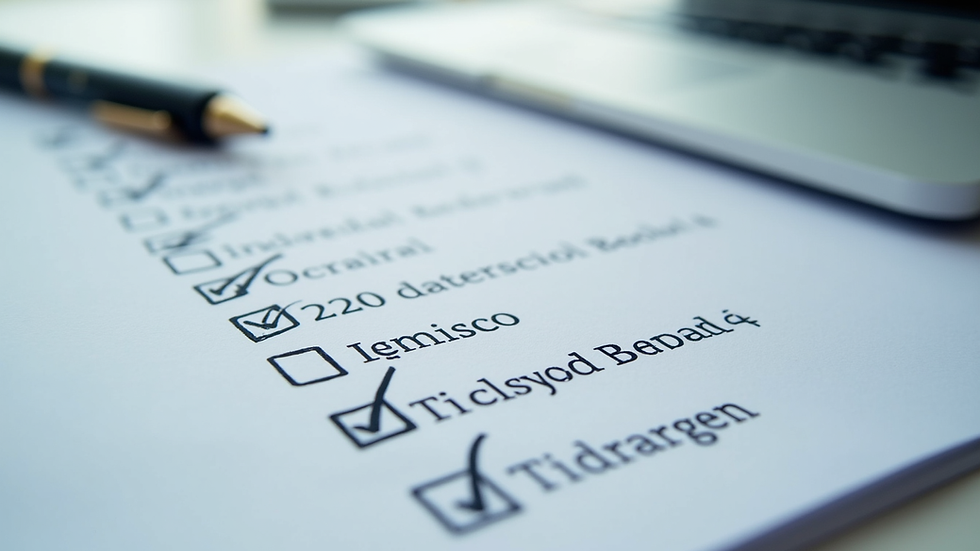
Good document control includes clear titles, dates, versions, and approvals.
Good Document Control Practices
Every important record should have:
A clear title
Date of creation or update
Version number
Status (draft, approved, final)
Owner or responsible person
Source of the document
Approval record or signature
Good document control ensures that evidence is reliable and easy to verify. It prevents confusion caused by mixing current and obsolete files.
Transparency in Due-Diligence Packs
A credible due-diligence pack does not hide problems. It discloses:
Missing evidence
Assumptions made
Disputed facts
Unresolved risks
Transparency builds trust. It shows that the company understands its challenges and is managing them openly.
Using SABE Products, ONNIA Worldwide, and Ku-Malu as Examples
To illustrate how evidence connects different stages, consider these three companies:
SABE Products represents intellectual property and product development. Their evidence includes patents, prototypes, and testing approvals.
ONNIA Worldwide covers licensing, procurement, logistics, and commercialisation. Their evidence includes signed licensing agreements, supplier purchase orders, and compliance records.
Ku-Malu focuses on branding and B2B market launch. Their evidence includes qualified leads, pilot orders, customer contracts, and payment records.
Credibility depends on the evidence linking these stages, not just the narrative. Each company’s documentation supports the next phase, creating a chain of verified execution.
Common Mistakes to Avoid
Many businesses make errors that weaken their credibility:
Presenting drafts as signed documents
Reporting test orders as confirmed sales
Showing unsupported forecasts as evidence
Mixing current and obsolete files
Claiming production readiness without approved tooling or samples
Avoiding these mistakes strengthens the case for investment or partnership.
How AD ASIA Consulting Supports Evidence and Due Diligence
AD ASIA Consulting helps businesses prepare evidence registers, validate case studies, and organise due-diligence-ready documentation. Our support ensures that companies present clear, verifiable proof of execution and commercial achievement.
By working with us, businesses can build stronger credibility and reduce risks for investors and partners.
The strongest case study is not the one that tells the most impressive story. It is the one that allows an independent reviewer to verify what happened, what was achieved, and what remains open.
If you want to strengthen your commercial credibility and prepare for due diligence, consider contacting AD ASIA Consulting for an Execution Evidence and Due Diligence Readiness Review. We can help you build a clear, verifiable record of your achievements and open issues.
This article is for informational purposes only and does not constitute legal, tax, securities, accounting, or investment advice.



Comments