


Adapting to Modern Needs with Flexible Living Spaces
Flexible living spaces are no longer a niche concept; they are a direct response to how people work and live today. The rise of remote work, long-stay travel, and lifestyle-driven relocation has transformed what “a good apartment” means. For many tenants, it’s no longer solely about space size; it’s about adaptability—the ability to live, work, and reset within the same footprint without friction. Habita Space is pioneering this trend, presenting a modular co-living model for digital nomads that blends flexible living and working spaces into one cohesive concept.
The New Baseline: "Work + Life" Must Coexist
Modern tenants, particularly remote workers, expect environments that aid both in productivity and comfort. Habita Space's motto, “Where Work, Life, and Adventure Seamlessly Connect,” highlights this shift towards flexibility, community, sustainability, wellness, and a balanced work-life dynamic.
Design Takeaway
Treat the work zone as a core requirement instead of an add-on. Even in compact units, a defined work-ready area enhances usability, making it easier for tenants to switch from relaxation to productivity without complication.

Flexible Layouts Beat "Bigger Layouts"
Flexibility is not merely a marketing term; it is a crucial layout strategy. The “Bangkok Village” concept embodies this idea by offering compact studios, duplex homes, and co-living spaces that feature flexible layouts, minimalist designs, integrated technology, and optimized productivity spaces.
Design Takeaway
Plan for multiple modes—focus, social, and rest—allowing the layout to easily switch functions without necessitating a larger living area. This flexibility accommodates various needs and activities while maximizing comfort and usability in smaller footprints.
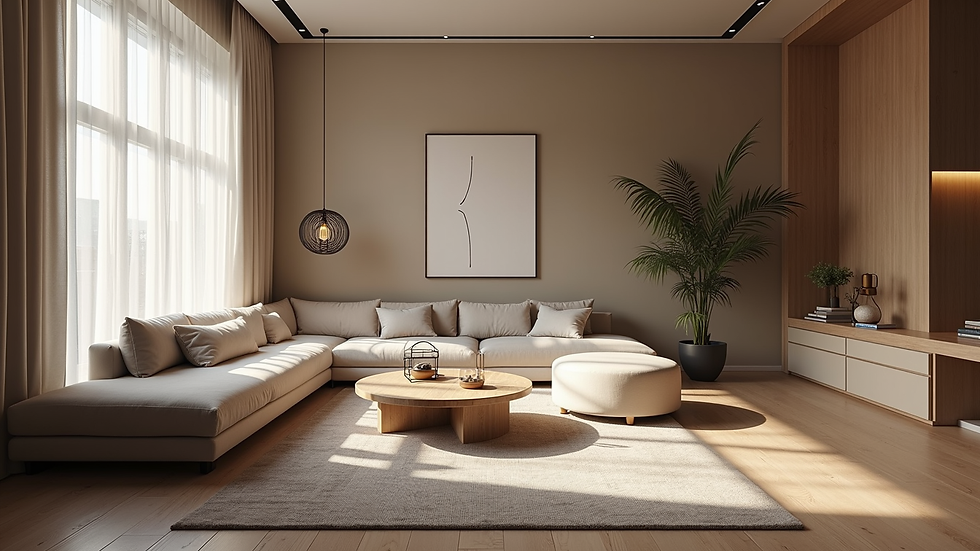
Modular Design: More Than Just Delivery
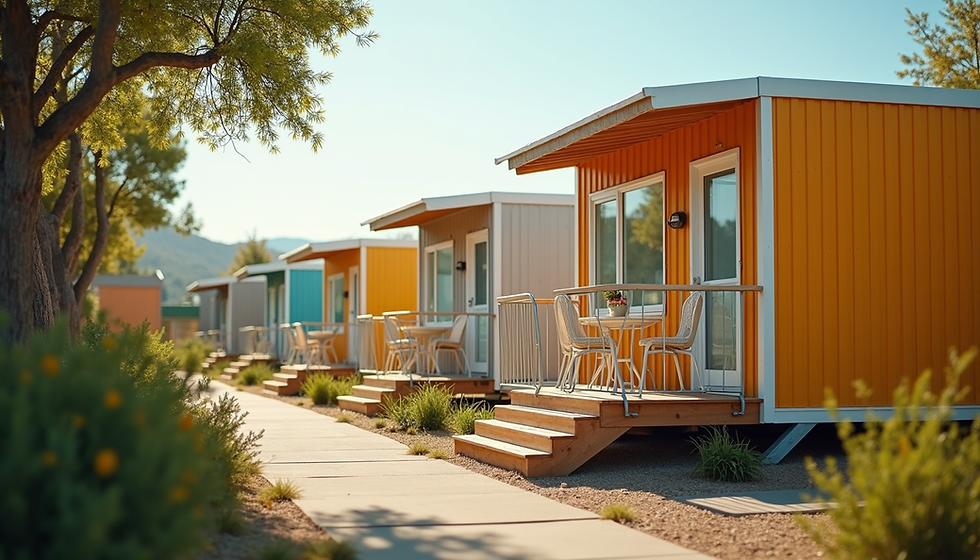
In Habita Space’s investor materials, the project is positioned as a modular co-living space featuring eco-friendly units that combine flexible living and work environments for travelers and remote workers alike.
Design Takeaway
Modular design doesn’t just streamline construction; it also enhances lifestyle choices. It allows for consistent quality across units and repeatable layouts that can evolve. Research has shown that standardized unit designs can be scaled across different locations while maintaining a high-quality living experience.
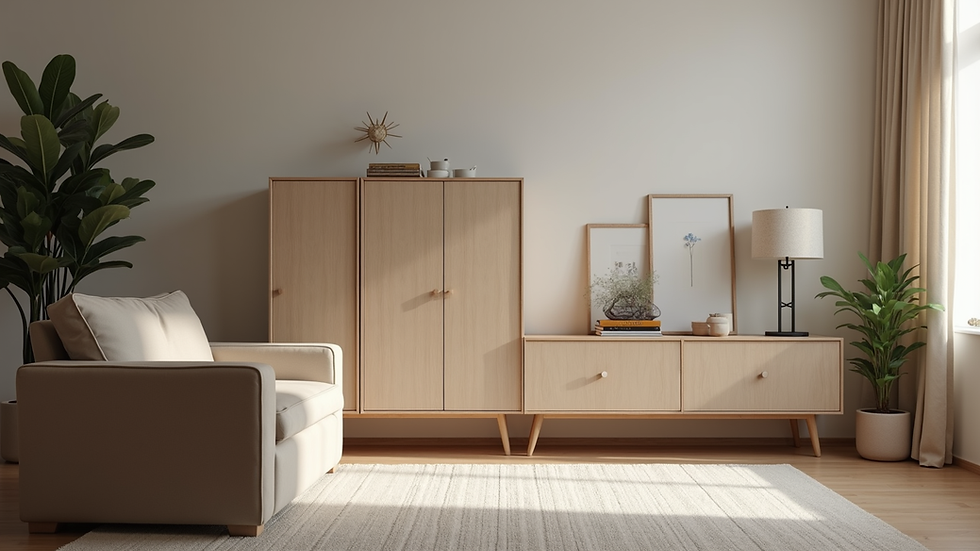
Reconfigurable Interior Logic Reduces Friction
Habita Space emphasizes how units can be customized, accommodating quiet workspaces, cozy living areas, or combinations thereof to match the evolving needs of tenants.
Design Takeaway
Flexibility stems from smart interior architecture, such as:
Modular furniture logic (movable partitions and convertible pieces)
Storage solutions that do not hinder circulation
Lighting designs capable of creating various atmospheres
Clear zoning for sleeping, working, and socializing, even within limited spaces.
Operational Design for True Flexibility
Flexibility in living spaces doesn’t end with design; it also extends to operations. Habita Space’s planning includes flexible accommodation terms, offering daily, weekly, and monthly rental options.
Design Takeaway
If your intent is to provide flexible stays, consider these operational setups:
Easy maintenance access for quick repairs
Durable finishes that withstand constant use
Streamlined cleaning workflows to minimize downtime between stays
Robust MEP (mechanical, electrical, plumbing) solutions that reduce maintenance interruptions
Community Spaces Multiply the Value of Small Private Units
The Habita Space strategy highlights the significance of blending accommodation with co-working and wellness experiences while fostering community-driven living.
Design Takeaway
In markets focused on long-stay tenants, well-located and genuinely usable shared amenities—like coworking spaces, lounges, and wellness zones—can offer greater returns on investment than merely increasing the size of private units. This approach promotes a communal environment that enhances the overall living experience.
Phased Rollout: Pilot-First Logic
In the Habita Space Nomad Co-Living Marketing Strategy, the initial rollout is designed as a pilot phase: a 20-unit launch in Bangkok slated for September 2025. This will integrate accommodation, co-working, and wellness, utilizing occupancy milestones to validate the model before expanding into other cities.
Project Takeaway
Flexible living models benefit from a pilot-first execution strategy. Launch your concept, gather feedback, refine unit layouts and service models, and then scale based on performance.
The Path Forward
Flexible living spaces thrive when design and operations work together harmoniously:
Embrace adaptable layouts as opposed to merely trendy aesthetics.
Utilize modular thinking to create repeatable, scalable, and refinable designs.
Incorporate reconfigurable interiors that can adjust to shifting routines.
Foster community-driven shared spaces that amplify the advantages of small private units.
By understanding and applying these principles, both developers and landlords can align their offerings with the modern needs of tenants, facilitating a more enjoyable, flexible living experience. In today's fast-paced world, it's crucial to embrace change and design living spaces that can adapt—not just for today, but for the evolving demands of tomorrow.
Embrace flexibility and innovation to meet the changing landscape of flexible living spaces and redefine what a home can be in the process.


Comments