


Revolutionizing Housing with Modular Living Solutions: Faster, Smarter, and More Scalable
In a rapidly changing world, where remote work, long-stay travel, and an increasing demand for affordable housing intersect, modular living solutions are transforming the real estate landscape. No longer just a niche concept, modular housing offers a serious delivery model across various sectors including residential, hospitality, and staff accommodation. It addresses three pressing challenges: speed, predictability, and scalability.
What Modular Living Solutions Really Are
Modular living involves using prefabricated units that are partially or fully constructed off-site, acting as the building blocks for a broader real estate product. This system-like approach allows segments to be repeated, upgraded, relocated, or delivered in phases, making it incredibly versatile.
Modular solutions are not limited to just tiny homes; they encompass a diverse range of options, including:
Micro-units and studios ideal for long-stay living,
Modular duplexes that provide enhanced comfort,
Clusters of units surrounding shared coworking or wellness spaces (co-living),
Phased village developments or resort-style projects.
Through these options, developers can quickly adapt to the shifting demands of consumers, prioritizing functionality and efficiency without compromising on quality or comfort.

Why Modular is Accelerating: Four Practical Advantages
Cost Efficiency (Less Waste, More Control)
Modular living solutions harness factory-based workflows that significantly reduce material waste and enhance purchasing efficiency. By assembling complex components in a controlled environment, developers minimize on-site surprises—resulting in projects that stay on budget and schedule.
Time Savings (Parallel Work = Faster Delivery)
One of the standout advantages of modular housing is the ability to execute tasks concurrently. While the modules are being fabricated in a factory, site preparation can be underway, compressing timelines and allowing for earlier project openings. This is particularly vital for revenue-driven developments that need to capitalize on market demand quickly.
Sustainability (Measurable, Not Just “Green Words”)
Many modular construction methods lead to less disruption on-site and generate significantly lower construction waste. Furthermore, modular designs can seamlessly integrate energy-efficient materials and systems, allowing for a greener approach that benefits both communities and the environment.
Quality & Safety (Repeatable Standards)
With modular solutions, repeatable production equates to repeatable quality. This consistency is bolstered by quality assurance plans, assigned inspections, and well-defined acceptance criteria. The structured nature of modular production ensures that each unit adheres to the same high standards of durability and safety.

The “Real” Product is Flexibility
Modular living extends far beyond construction methods; it's about enhancing how people live. The most successful modular concepts embrace notions of flexibility, incorporating designs that cater to diverse lifestyles.
Key features of these flexible modules include:
Layout adaptability that seamlessly blends work and living spaces,
Shared amenities that increase the value of small private units,
Strong connectivity and work-ready design to fulfill modern needs,
Community-focused experiences, particularly essential in co-living situations.
As a result, these spaces can easily adapt to various user profiles such as digital nomads, remote workers, short-term corporate guests, and participants in wellness retreats—ultimately creating environments that foster a sense of belonging and connection.
How to Evaluate Modular Suppliers: A Simple Framework
Choosing the right modular supplier is critical to the success of a project. Here’s a practical evaluation framework to help assess potential vendors:
1. Credibility & Reputation
Look for a portfolio of delivered projects rather than mere renders.
Request references and ensure they can showcase real installations.
Understand their warranty approach and after-sales support.
2. Quality & Flexibility
Investigate their material system and durability logic, factoring in conditions like humidity and termites.
Consider layout adaptability, openings, and mechanical systems.
Evaluate performance specifications such as insulation and waterproofing measures.
3. Price (With Transparency)
Request a detailed unit cost breakdown covering shell, finishes, mechanical, electrical and plumbing (MEP), transportation, and installation.
Clarify exclusions, particularly for foundational work, site preparations, utilities connections, and necessary permits.
Understand their policies regarding change orders and the factors that may trigger price adjustments.
4. Service & Delivery Model
Inquire about lead times, installation methods, and logistics plans.
Establish their quality assurance (QA) process, including inspection points and acceptance criteria.
Ensure they have the capacity to scale beyond the initial phase if needed.
Tip: Ask for a comprehensive “sample package” that includes drawings, specification sheets, inclusions and exclusions, warranty terms, and an installation method statement. If vendors struggle to provide this information clearly, it may indicate higher execution risks.
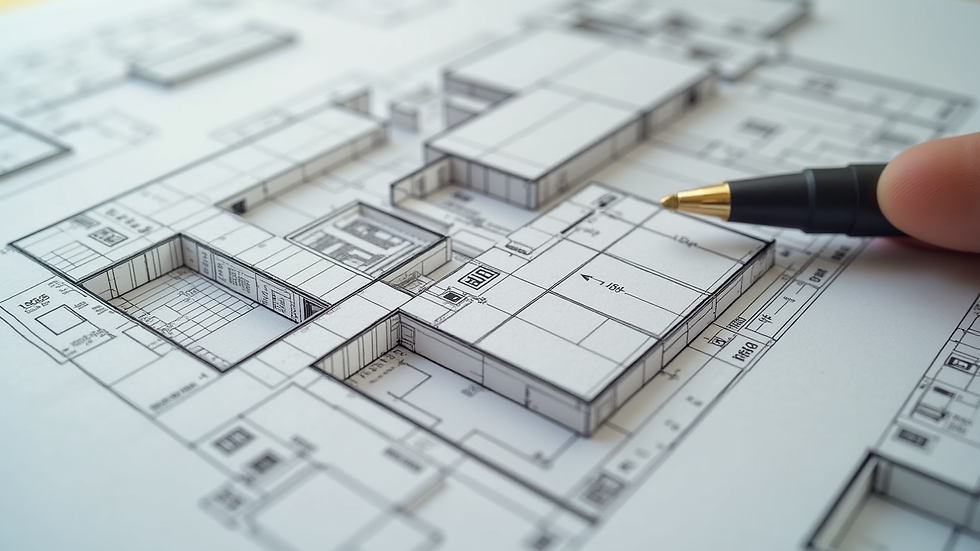
The Pilot-First Strategy: Reduce Risk, Then Scale
One best practice in the modular development space is to start with a pilot phase. This approach allows developers to validate various aspects before committing to a larger rollout.
A pilot can help assess:
Real customer demand and appropriate pricing for units,
Effective operational workflows such as cleaning and maintenance,
Layout performance, identifying user preferences and pain points,
Vendor performance regarding timelines, quality, and service reliability.
Implementing a pilot phase not only helps refine unit design and service models but also enhances the bankability of the project by providing tangible evidence rather than just a theoretical vision.
The Future of Modular Living Solutions
As we look toward the future, it’s evident that modular living solutions are reshaping housing by turning real estate into a repeatable and efficient delivery model. This evolution makes it faster to deploy, easier to scale, and more aligned with contemporary lifestyle demands.
If you are considering exploring modular housing options for markets such as Thailand or ASEAN, the next logical step is to initiate:
A concise feasibility study including site, concept, and budget considerations,
A careful selection process for vendors,
A phased rollout plan that incorporates a pilot phase before expanding.
Modular living is not just about the finished product; it serves as a flexible system that can adapt to the evolving preferences of modern society while maintaining high standards of quality and sustainability.
Want a modular feasibility + vendor shortlist template? AD ASIA Consulting can structure the roadmap, scope, and procurement approach so your modular project stays predictable on cost, time, and quality.


Comments