


Existing Building or New Construction How to Compare the Two Routes
Choosing between renovating an existing building and starting a new construction project is a significant decision for any business. Each option has its own advantages and challenges, and the right choice depends on various factors such as budget, timeline, location, and long-term goals. In this post, I will explore the key differences between these two routes and offer practical insights to help you make an informed decision.
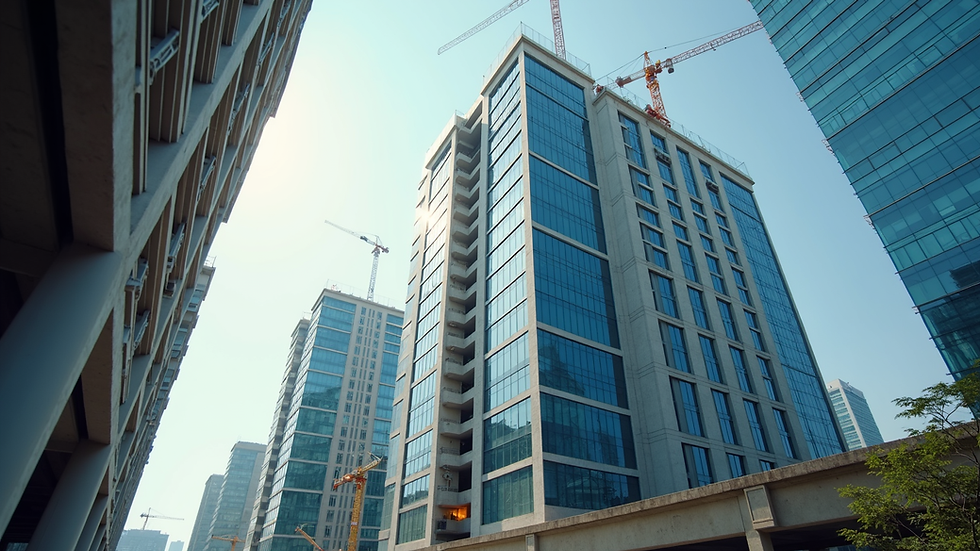
Eye-level view of a modern office building under construction site with cranes and scaffolding
Understanding the Benefits of Existing Buildings
Existing buildings often come with a unique character and established infrastructure. Renovating such properties can be a cost-effective way to enter a new market or expand operations without the lengthy process of new construction.
Cost Considerations
Renovation projects can sometimes be less expensive upfront compared to new builds. The basic structure, foundation, and utilities are already in place, which can reduce material and labour costs. However, unexpected issues such as outdated wiring, asbestos, or structural damage may increase expenses.
Location Advantages
Many existing buildings are located in established commercial areas with good access to transport links, suppliers, and customers. This can be a major advantage for businesses looking to maintain or improve their market presence.
Sustainability and Environmental Impact
Reusing an existing building can reduce waste and the environmental footprint of a project. It often requires fewer new materials and less energy than constructing a new building from scratch.
The Appeal of New Construction
Starting fresh with a new construction project offers complete control over design, layout, and technology integration. This route is often preferred when specific requirements or modern standards must be met.
Customisation and Flexibility
New construction allows businesses to tailor the building to their exact needs. This includes optimising space, incorporating energy-efficient systems, and ensuring compliance with the latest regulations.
Predictable Costs and Timeline
While new builds can be expensive, they often come with clearer budgets and schedules. Contractors can provide detailed estimates, and the risk of hidden problems is lower compared to renovations.
Long-Term Value
A new building can offer better long-term value through lower maintenance costs and improved energy efficiency. It can also enhance brand image by showcasing a modern, purpose-built facility.
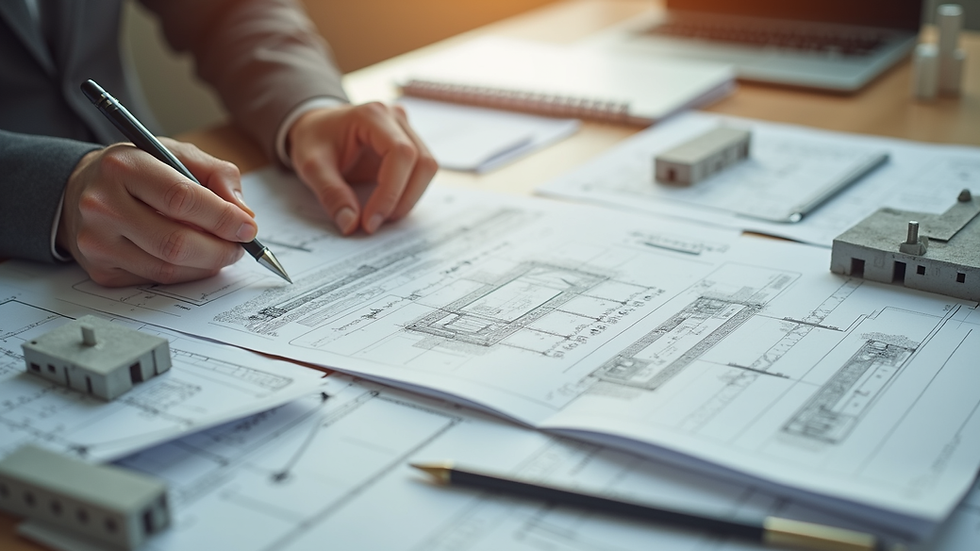
High angle view of architectural plans and construction models on a desk with measuring tools
Comparing Project Development Services for Both Routes
Navigating the complexities of either route requires expert support. Services like those offered by Ad Asia Consulting can be invaluable. They provide project development and trading support tailored to businesses operating in Asia, helping to manage procurement, compliance, and local regulations.
For example, their Project Development Consulting service assists clients in evaluating the feasibility of existing buildings versus new construction. This includes site analysis, cost estimation, and risk assessment. You can learn more about this service here.
Additionally, their Procurement Support helps source materials and contractors efficiently, whether for renovation or new builds. This service ensures quality and cost control, which is critical in both scenarios. Details are available here.
Key Factors to Consider When Choosing
When deciding between an existing building and new construction, several factors should guide your choice:
Budget: Assess both initial costs and long-term expenses. Renovations may have hidden costs, while new builds require significant upfront investment.
Timeline: Renovations can be quicker if the building is in good condition, but unexpected delays are common. New construction usually follows a set schedule but takes longer overall.
Location: Consider the strategic value of the site. Existing buildings may offer better locations, but new construction can open opportunities in developing areas.
Regulations: Older buildings might not meet current codes, requiring costly upgrades. New buildings must comply with all regulations from the start.
Sustainability: Reusing buildings can reduce environmental impact, but new construction can incorporate the latest green technologies.
Practical Examples
A manufacturing company looking to expand in a busy industrial zone might find an existing warehouse suitable for renovation. This option could save time and capital while maintaining proximity to suppliers.
Conversely, a tech firm requiring a state-of-the-art facility with advanced HVAC and data infrastructure might opt for new construction. This allows full customisation to support their operations and future growth.
Managing Risks and Challenges
Both routes carry risks. Renovations can uncover structural issues or hazardous materials, leading to delays and cost overruns. New construction projects may face permit delays or supply chain disruptions.
Engaging experienced consultants and project managers can mitigate these risks. For instance, Ad Asia Consulting’s expertise in local regulations and supplier networks helps smooth project execution. Their services are designed to support businesses through these challenges, ensuring projects stay on track.
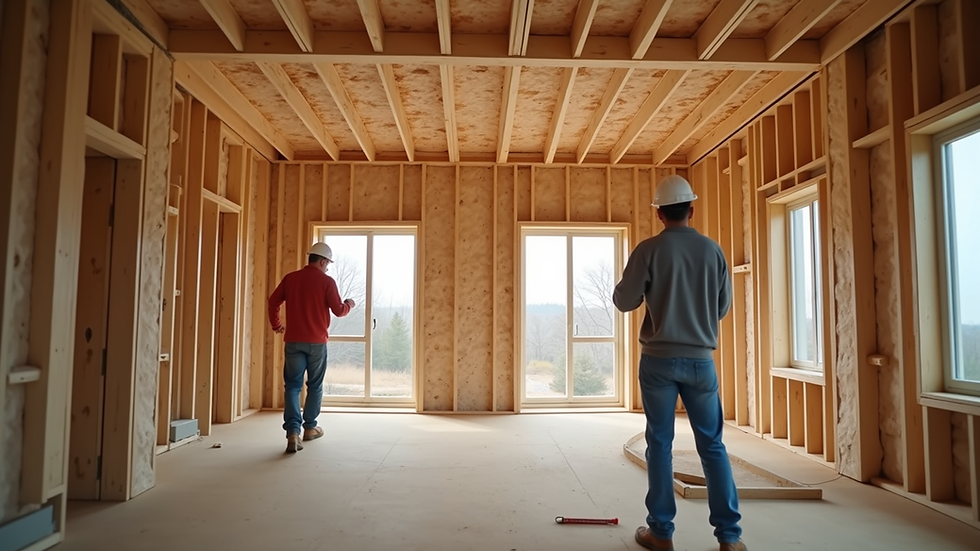
Close-up view of construction workers installing insulation in a building under renovation
Final Thoughts on Choosing the Right Route
Choosing between an existing building and new construction depends on your business’s specific needs, resources, and goals. Renovation can be a faster, more sustainable option with location benefits, but it carries risks of hidden costs. New construction offers full control and long-term value but requires more time and investment.
Working with a partner experienced in project development and procurement in Asia can make this decision easier. They provide the insights and support needed to navigate local complexities and deliver successful outcomes.
By carefully weighing these factors and seeking expert advice, businesses can select the route that best supports their vision and growth in the region.


Comments