


Free Zones vs. SEZs (and IEAT Estates): Which Is Best for Your Business Model?
Thailand's strategic location and government policies make it an attractive hub for businesses looking to expand. The country offers multiple "zone" tools that cater to different business needs. Among these, Customs Free Zones (CFZ), Special Economic Zones (SEZs), and Industrial Estates (IEAT) are particularly noteworthy. Each option has unique benefits, but which one is the best fit for your business model? In this post, we will explore these options in-depth and help you make an informed decision.
Understanding Customs Free Zones (CFZ)
Customs Free Zones are designated areas in Thailand governed under the Customs Act. Goods that enter a CFZ are considered as being outside Thailand for tariff assessment purposes. This means that businesses can enjoy several financial advantages, including:
Duty and VAT Suspension: Imports of machinery, parts, or raw materials enjoy suspension of duty and VAT until they enter domestic consumption. This effectively reduces upfront costs for businesses.
Duty-Free Re-exports: For businesses focused on export, re-exports from CFZs are duty-free, encouraging international trade.
However, businesses must adhere to strict inventory controls and movement protocols. This ensures compliance with regulatory standards and provides an audit trail for goods flowing in and out of the free zone.

If you're a business with a strong export focus (≥70% of revenue), starting your operations in a CFZ could prove economically beneficial. Additionally, for businesses promoted by the Board of Investment (BOI), the potential tax incentives can greatly enhance profitability.
Special Economic Zones (SEZ) and the EEC
Thailand's SEZs are typically situated near its borders and are designed to be export-oriented. They are equipped with advanced infrastructure and sectoral incentives through the Eastern Economic Corridor (EEC) that layer additional advantages for businesses. Here are some key features:
Infrastructure Development: EEC areas boast enhanced transport and logistics facilities, including ports, airports, and road networks.
Sectoral Incentives: These zones focus on attracting next-gen industries and provide facilitation through dedicated one-stop centers that simplify administrative processes.
The EEC is particularly beneficial for technology or capital-intensive sectors, making it an attractive alternative for businesses aiming for growth and expansion in emerging technologies.

If your business has a capital-intensive model, targeting an EEC estate complemented by BOI promotion can yield top-tier tax holidays along with non-tax facilitation.
IEAT Industrial Estates
The Industrial Estate Authority of Thailand (IEAT) manages industrial estates that blend general industrial zones with options for free zones. This provides a versatile platform for both manufacturing and logistics. Key advantages include:
Land Rights and Visas: Businesses enjoy non-tax incentives such as land rights, and visas for foreign experts. This can greatly ease the process of setting up operations.
Tax Benefits: Exemptions on duties, excise taxes, and VAT on eligible inputs and outputs make these estates feasible for various business models.
IEAT estates are tailored to accommodate diverse businesses, whether they are focused on exports or domestic consumption. They allow for flexibility, which can be crucial for companies navigating varying market demands.
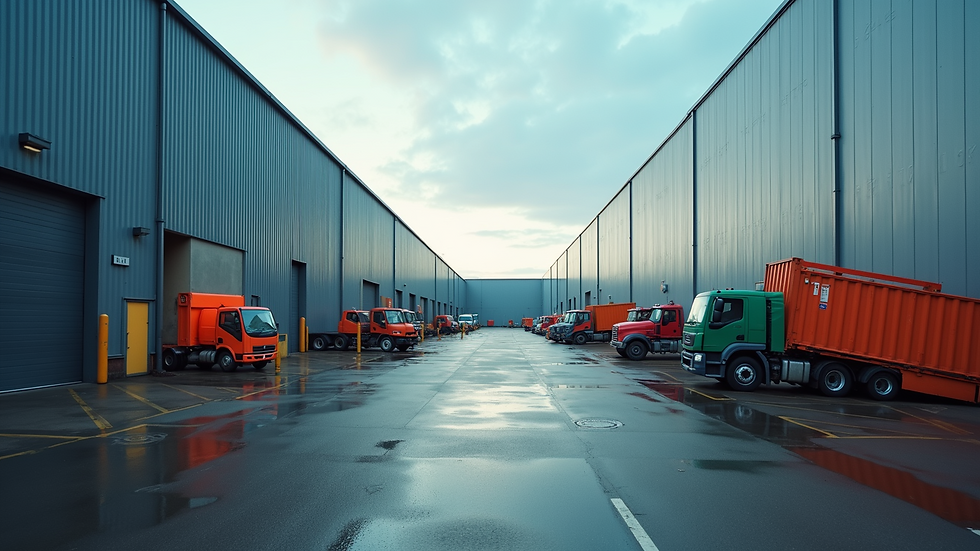
For companies with a mixed domestic and export focus, exploring IEAT's General Zones in conjunction with BOI incentives could be advantageous. Furthermore, Free Zone sub-areas within these estates can be evaluated for specific product lines or warehousing needs.
Making the Right Choice for Your Business Model
Selecting the appropriate zone can be daunting, but it largely depends on your business model. Here’s a decision framework to guide you:
If You're Export Heavy (≥70%): Begin with the economic advantages of a CFZ. If applicable, add BOI incentives to enhance your financial standing.
If You're Technology or Capital Intensive: Focus on EEC estates with BOI promotion. The combination of sectoral incentives and significant tax holidays will allow your business to thrive.
If You Have Mixed Domestic/Export Focus: Leverage IEAT General Zones combined with BOI support. Analyze if Free Zone sub-areas can specifically enhance your logistics and warehousing operations.
Always align your choice with specific business needs, supply-chain flows, and projected start-up speed. It’s also advisable to consult local experts to navigate the regulatory landscape effectively.
Take Action Now
With so many options available, it's crucial to pick the right zone that aligns with your business model. Each zone offers unique benefits tailored to different operational needs and goals.
If you're unsure which zone best fits your business, we can run a comprehensive zones vs. incentives comparison tailored to your product flows. Reach out to us, and we will provide a three-option profitability and loss (P&L) analysis within one week.

In summary, Thailand's diverse economic zones—CFZs, SEZs, and IEAT Estates—offer valuable opportunities for businesses. By understanding the specific advantages of each zone, you can tailor your operational strategy to maximize profitability and growth.
Final Thoughts
Choosing between Free Zones, SEZs, and IEAT estates is not a one-size-fits-all decision; it should be guided by your business's specific needs and objectives. Investing time into understanding the regulatory framework and benefits of each option can help you maximize your operational efficiency in Thailand. Whether you're looking to reduce costs, expedite operations, or navigate logistics, the right zone can create a robust foundation for your business's future success.



Comments