


Retail’s Second Wind: Downtown Mall Upgrades, Mixed-Use Synergies, and Office Spillovers
The retail landscape in Bangkok is witnessing a remarkable transformation, characterized by downtown mall upgrades and mixed-use developments tailored to attract high-spending international tourists. With a vibrant pipeline of new supply set to hit the market by 2025, the city’s retail scene remains dynamic and full of potential. This evolution not only enhances the shopping experience but also boosts the attractiveness of office spaces, creating synergies that benefit both employers and employees.
A Dynamic Outlook for Bangkok’s Retail Market
CBRE's 2025 outlook paints an optimistic picture of Bangkok’s retail market, describing it as “dynamic and lively.” The emphasis on high-spending international tourists is reshaping the downtown mall landscape. Developers are doubling down on lavish offerings and unique experiences designed to captivate both locals and tourists.

According to JLL, this push for upgrades is crucial for malls to remain competitive. As tourist numbers rebound post-pandemic, the demand for retail spaces that go beyond mere shopping—like dining, entertainment, and cultural experiences—increases. Malls are emphasizing diverse cuisines, art installations, and events, recognizing that experiences drive foot traffic and dwell time.
Enhancing Office Spaces with Mixed-Use Ecosystems
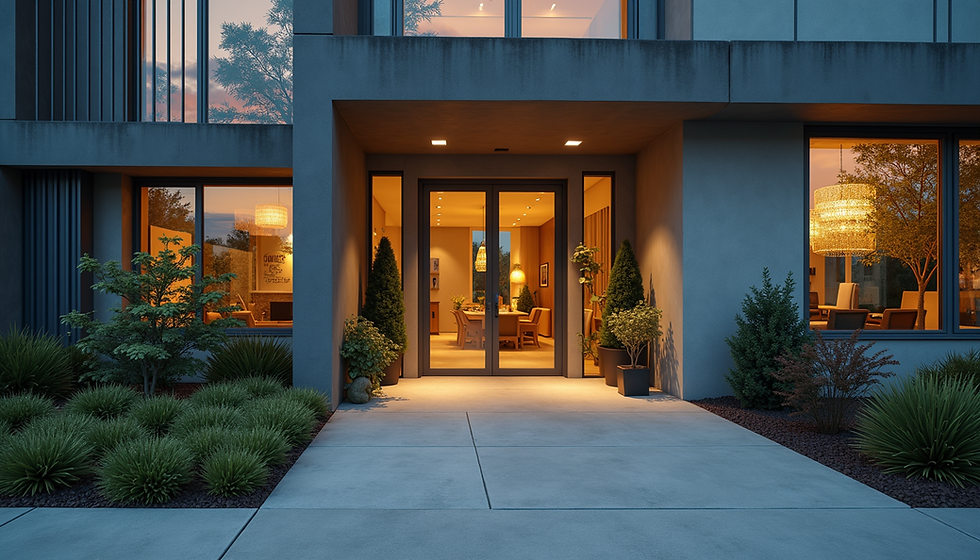
One of the salient trends emerging from this retail rejuvenation is the integration of mixed-use ecosystems that make office locations more appealing. New developments are not just about office space; they are about creating environments that foster collaboration and creativity. These mixed-use areas incorporate parks, cultural venues, and efficient transit systems, enhancing the overall work-life balance.

By blending retail with professional spaces, office buildings become more than just workplaces— they transform into destinations. Employers are striving to recruit top talent, and the availability of well-designed amenities such as wellness areas, cafés, and galleries plays a significant role in this effort. The more inviting the space, the greater the potential for employee satisfaction and productivity.
Developer Playbook for Creating Successful Spaces
To capitalize on these trends, developers must adopt a proactive playbook that emphasizes the integration of Environmental, Social, and Governance (ESG) factors and enhanced user experiences. Here are practical strategies for creating successful mixed-use environments:
ESG and Experience Features: Incorporate green roofs, wellness amenities, and cultural programming into new developments. Such features not only attract tenants but also improve overall community engagement and sustainability.
Cross-Promotions: Establish office-retail partnerships that offer loyalty discounts or pop-up events. This encourages cross-traffic and fosters a sense of community among tenants.
Transit Planning: Strategically design last-mile transit options and pedestrian pathways to facilitate easier movement to and from office spaces, improving lunchtime economics and evening foot traffic.
These steps not only enhance tenant experience but also create a vibrant atmosphere that benefits everyone involved.

Monitoring Market Trends and Opportunities
As urban development evolves, keen observation of emerging trends will be essential for landlords and developers. Here are a few areas to watch:
New Mall Openings: Keep an eye on new mall projects and re-tenanting strategies in downtown Bangkok. Their impact on office leasing in the vicinity could redefine market dynamics.
Event Bookings: Pay attention to event calendars and MICE (Meetings, Incentives, Conferences, and Exhibitions) bookings around premium complexes. High-profile events can serve as early indicators of increased weekday occupancy.
A Forward-Thinking Approach for Landlords
As we look ahead, there is an evident need for landlords to evolve and adapt to these changing dynamics. One actionable recommendation is to launch a “work-play” program in Q1-2026, bundling office lease incentives with retail benefits and event access. This innovative approach can elevate tenant satisfaction while boosting footfall in retail spaces.
By publishing case studies that showcase tenant satisfaction and increased foot traffic, landlords can better position their properties in a competitive market. Understanding and leveraging synergies between retail and office environments will be pivotal for success in the retail landscape of the future.
Embracing Change in the Retail Landscape
The shift towards a more integrated retail and office ecosystem in Bangkok reflects a broader trend worldwide. As the city embraces new development opportunities and enhances existing spaces, the focus should remain on creating environments that drive engagement and satisfaction.
The rise of mixed-use districts and upgraded malls not only enrich the shopping and working experience but also underline a collective journey towards a more sustainable and thriving urban environment. It is an exciting time for stakeholders in the retail and office sectors.
Ultimately, as Bangkok repositions itself with these transformative upgrades, it is fostering a culture of collaboration and innovation that can benefit all residents and visitors alike. Embracing change and staying ahead of market trends will ensure long-term success in this ever-evolving landscape.

Comments