


Thailand Green Electricity 2026–2028: Growth Outlook
Krungsri Research has released a compelling report projecting a significant growth in green electricity generation in Thailand between 2026 and 2028. With a forecasted annual increase of 4-5%, this trend signals an optimistic future for the renewable energy sector. However, beneath the surface, several factors could impact this trajectory. In this blog post, we will delve into what is driving this growth and what potential barriers may lie ahead.
What’s Explicitly Driving the Growth Outlook
Several core drivers fuel the anticipated growth in green electricity generation in Thailand:
Corporate Demand Pressures: As Thailand's economy becomes more integrated into international trade, companies are feeling the heat from stricter regulations, particularly those linked to the European Union. As a result, many commercial and industrial users are seeking ways to enhance their competitiveness by adopting sustainable practices. The shift towards renewable energy is not just a trend; it is a strategic move aligned with procurement and investment decisions.
Electric Vehicle (EV) Sales Growth: The rise of electric vehicles is another crucial contributor to the growth in green electricity. With more consumers choosing EVs, the demand for clean electricity is set to soar. In Thailand, this transition is part of a larger movement toward sustainable transportation that aligns with global goals of reducing carbon emissions.
Data Centers Targeting Renewables: As data centers become increasingly central to our digital economy, there is a pronounced trend toward them sourcing energy exclusively from renewable power. This shift comes from a need for sustainability as well as an effort to capitalize on lower long-term energy costs associated with renewables.

Understanding these drivers can help stakeholders engage more effectively with the market as it transitions toward sustainability.
What Can Slow Renewables Deployment Even When Demand is Strong
While the demand for green energy is robust, there are several friction points that could impede the pace of renewables deployment in Thailand:
Regulatory Challenges: Krungsri Research notes that slow progress on the new Power Development Plan (PDP) and the regulatory framework necessary to support green energy demand might hinder growth. Delays or lack of clarity in the policy context could deter investment in renewable projects.
Economic Growth Concerns: The forecasted growth rate of the Thai economy, projected at 2.5-3.5% annually, may impact overall electricity demand. If economic growth does fall below expectations, it could dampen the urgency to expand renewable infrastructure.
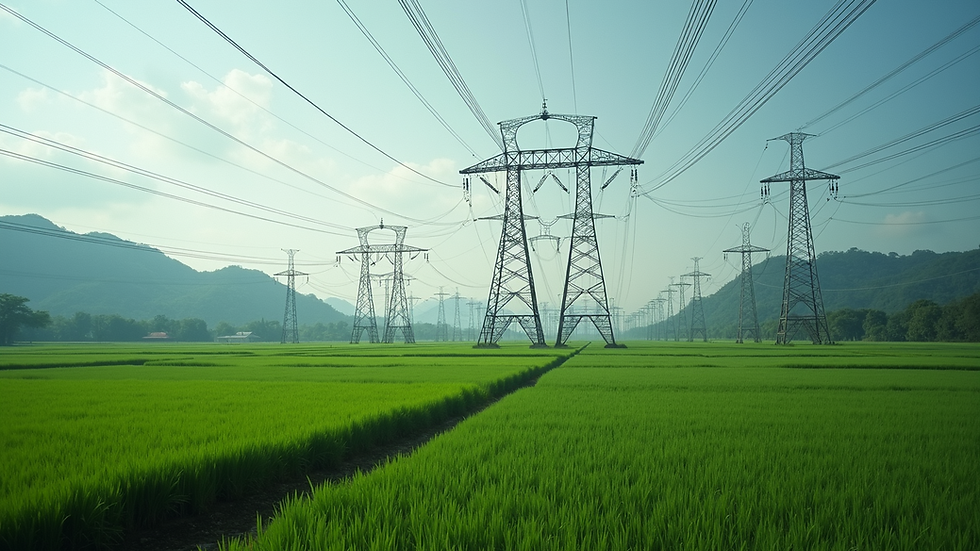
Intermittency and Infrastructure Constraints: The inherent intermittency of renewable sources like solar and wind raises challenges in reliability. Coupled with infrastructure issues, such as limited transmission access in certain regions, the deployment of renewables may not keep pace with growing demand.
These friction points must be addressed to maintain the momentum toward renewable energy growth.
The “Developer Reality” in 2026
As we look ahead to 2026, it's essential to consider the 'developer reality' that will shape the renewable energy landscape. Key factors to focus on include:
Grid Realism: The ability to connect to the grid and the speed at which this can happen is fundamental. Understanding where and how power can be connected will be vital for developers seeking to invest in renewable projects.
Contract Realism: Knowing who will purchase the generated power and under what contractual structure is critical for project viability. Long-term agreements can help ensure stability for renewable energy investments.
Technology Realism: Addressing the intermittency risk associated with renewable energy technologies will be crucial. This may involve investing in energy storage solutions and hybrid systems that combine different energy sources.

These aspects form the foundation upon which potential future developments can be built.
ASEAN Note: The Regional Context
The renewable energy landscape varies across ASEAN countries, with differing speeds of growth driven by local regulatory environments and grid readiness. In Thailand, the policy frameworks governing renewable energy, such as the Electricity Generating Authority of Thailand (EGAT) and the Alternative Energy Development Plan (AEDP), play a crucial role.
While Thailand is making strides, its execution will ultimately depend on how effective these plans are in translating into actionable rollout strategies. As other ASEAN countries also strive to enhance their green energy capabilities, monitoring regional developments will provide insight into potential shifts in investment and collaboration opportunities.
Key Takeaways for Investors and Stakeholders
As Thailand's green electricity landscape evolves from 2026 to 2028, understanding the complexities involved can facilitate smarter investment decisions. Here are some actionable recommendations for stakeholders:
Stay Informed: Keep a close watch on regulatory developments and the PDP rollout to gauge future opportunities and risks.
Explore Collaborative Opportunities: Engage with corporations and data centers that prioritize renewable energy sourcing, as partnerships may yield shared benefits.
Adopt Flexible Strategies: Prepare for variability and uncertainty by developing adaptable business models that can pivot according to market conditions.
The outlook for renewable energy in Thailand remains promising, marked by strong demand and growing investment. However, stakeholders must remain vigilant and proactive in navigating the challenges that may arise along the way.
Discovering the pulse of "Thailand green electricity" through focused investments and a proactive approach can yield significant dividends as the nation advances toward a more sustainable energy future.




Comments