


Concept Design Is Not Decoration How It Shapes the Entire Project
Concept design often gets mistaken for mere decoration. Many see it as the final touch, something to make a project look appealing. In reality, concept design forms the foundation of the entire project. It guides decisions, influences outcomes, and shapes the user experience from start to finish.
Understanding this difference is crucial for businesses aiming to succeed in project development and trading, especially in complex markets like Asia. This post explores how concept design works beyond aesthetics and why it matters for your projects.
What Concept Design Really Means
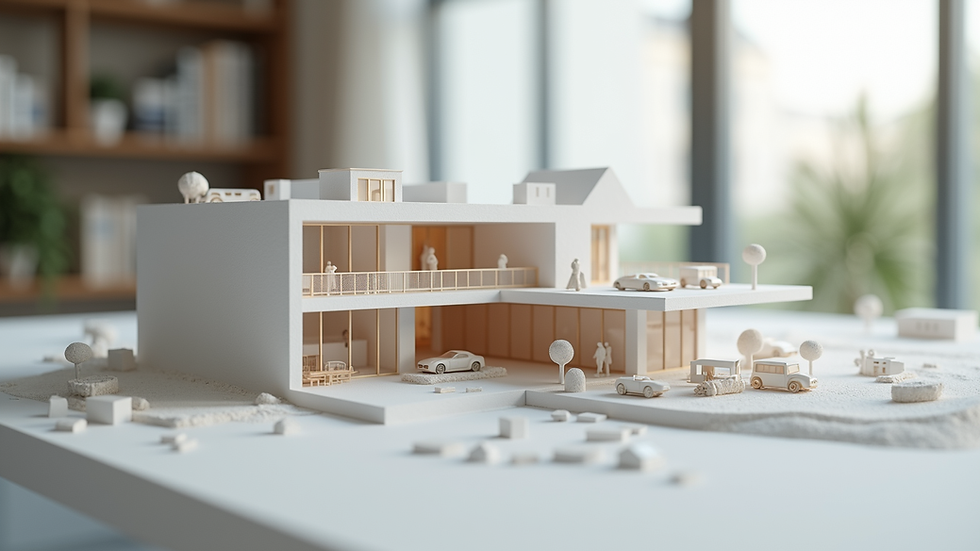
Concept design is the initial stage where ideas take shape. It involves defining the purpose, goals, and key features of a project. This stage sets the direction for everything that follows.
Unlike decoration, which focuses on appearance, concept design addresses function and structure. It answers questions like:
What problem does the project solve?
Who is the target audience?
How will users interact with the product or space?
What constraints or opportunities exist?
By clarifying these points early, concept design ensures the project stays aligned with its objectives.
For example, in product development, concept design might include sketches, prototypes, or storyboards. These tools help visualise how the product will work and fit into the market.
In construction or architecture, concept design defines the layout, materials, and environmental impact. It balances creativity with practical needs.
How Concept Design Shapes Project Development
Concept design influences every stage of a project. It acts as a blueprint that guides teams and stakeholders. Here are some ways it shapes development:
Decision-making: Clear concepts reduce guesswork. Teams know what to prioritise and avoid costly changes later.
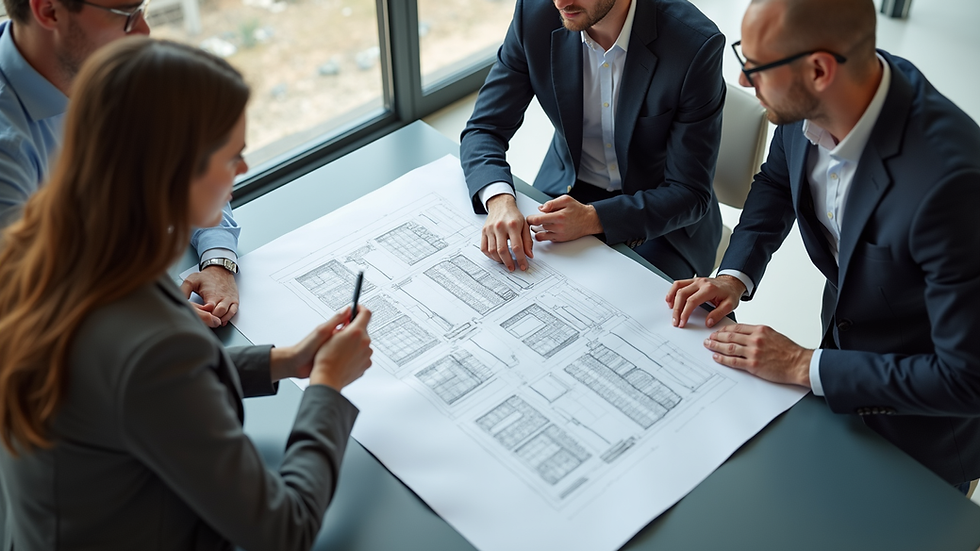
Communication: A well-defined concept helps explain ideas to clients, partners, and suppliers. Everyone understands the vision.
Efficiency: Early problem-solving in concept design saves time and resources during execution.
Quality: Projects based on strong concepts tend to meet user needs better and perform well in the market.
Consider a business entering the Asian market. A concept design that reflects local preferences, regulations, and supply chains will increase the chance of success. Ignoring these factors can lead to delays or failure.
Examples of Concept Design in Action
To illustrate, let’s look at two services that support project development in Asia:
Project Development Consulting
This service helps businesses create clear project concepts tailored to Asian markets. Consultants analyse local conditions and advise on design choices that fit cultural and economic contexts. This approach avoids common pitfalls and aligns projects with regional demands.
Procurement and Trading Support
Once the concept is set, sourcing the right materials and partners is critical. Procurement services ensure that supplies meet the project’s specifications and quality standards. Trading support helps navigate complex regulations and logistics in Asia.
Both services rely on a solid concept design to function effectively. Without it, procurement might source unsuitable materials, or trading could face compliance issues.
For instance, a company using Ad Asia Consulting’s project development service benefits from expert concept design that considers local market trends and legal requirements. This foundation makes procurement smoother and trading more reliable.
Concept Design Is Not Decoration but a Strategic Tool
Treating concept design as decoration limits its value. Instead, it should be seen as a strategic tool that shapes the entire project lifecycle.
This mindset shift changes how businesses approach development:
They invest time and resources in thorough concept design.
They involve multidisciplinary teams early to cover all aspects.
They use concept design to test ideas before committing to full-scale production or construction.
This approach reduces risks and improves outcomes. It also helps businesses adapt to changes, as a clear concept provides a framework for adjustments.
How to Develop Effective Concept Designs
Creating a strong concept design involves several steps:
Research and Analysis
Understand the market, users, and environment. Gather data on competitors, regulations, and trends.
Define Objectives
Set clear goals for what the project should achieve. These should be measurable and realistic.
Brainstorm Ideas
Generate multiple concepts. Encourage creativity but keep ideas aligned with objectives.
Evaluate and Select
Assess concepts based on feasibility, cost, and impact. Choose the best fit.
Develop Prototypes or Models
Create visual or physical representations to test ideas.
Gather Feedback
Involve stakeholders and potential users to refine the concept.
Document the Concept
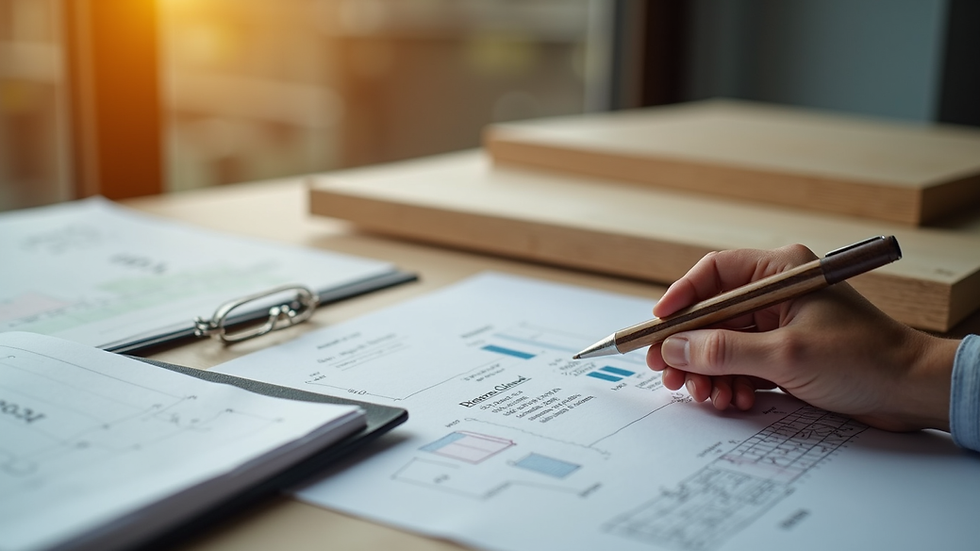
Prepare detailed descriptions, drawings, and plans to guide the next phases.
Using tools like 3D modelling software or collaborative platforms can enhance this process.
The Role of Concept Design in Trading and Procurement
In trading and procurement, concept design ensures that purchased goods and services match project needs. It defines specifications clearly, reducing misunderstandings.
For example, a project requiring specialised construction materials benefits from a concept design that specifies quality, dimensions, and performance. Procurement teams can then source suppliers who meet these criteria.
Trading support services help navigate import/export rules and customs procedures. A clear concept design helps identify the right products and avoid delays.
This integration between concept design and procurement is vital for projects in Asia, where regulations and standards vary widely.
Final Thoughts on Concept Design’s Impact
Concept design is the backbone of any successful project. It goes far beyond decoration by defining purpose, guiding decisions, and shaping outcomes.
Businesses working in Asia’s diverse markets must prioritise concept design to navigate complexities effectively. Services like project development consulting and procurement support rely on strong concepts to deliver value.
By investing in concept design, companies reduce risks, improve communication, and increase the chances of project success. This approach supports strategic growth and helps achieve long-term goals.
The phrase "concept design is not decoration" reminds us to treat this stage with the importance it deserves. It is the foundation on which every project stands.
If you want to learn more about how concept design can improve your projects in Asia, consider exploring Ad Asia Consulting’s services. Their expertise in project development and trading support can help you build strong foundations for success.


Comments