


Phuket Resilience, Bangkok Competition: Where Hospitality Capital Works Hardest in 2025
The hospitality industry's landscape in Thailand continues to evolve as cities like Phuket and Bangkok adapt to changing market dynamics. This blog explores the resilience of Phuket's hotel sector, the challenges faced by Bangkok, and other emerging opportunities within Thailand's hospitality market in 2025.
Phuket's Exceptional Performance in 2025
Despite the challenges posed by global travel restrictions and fluctuating demand, Phuket has emerged as a shining star in the Thai hospitality scene. In the first half of 2025, the island reported an impressive occupancy rate of approximately 79.5%, along with a 7.8% increase in Average Daily Rate (ADR) and a 3.9% growth in arrivals. This success can largely be attributed to Phuket's resort-oriented identity and its appeal to higher-spending segments—from luxury travelers to wellness enthusiasts.

Phuket's strategic position as a leisure destination creates a mix-of-stay advantage, from short getaways to extended vacations. With an array of wellness retreats and luxury resorts, the island caters to a diverse clientele. As the tourism landscape evolves, investors should consider selective expansion to capitalize on the island's strong performance, particularly in the wellness and luxury sectors.
Bangkok's Hotels: Responding to New Challenges
On the flip side, Bangkok, while historically a volume-rich market, is experiencing challenges as occupancy rates ease to around 75%. This decline is partially due to the rapid expansion of hotel supply and shorter average stays, creating a competitive environment where rate discipline becomes paramount. Operators must develop a sharper brand strategy that emphasizes identity—targeting specific customer segments to enhance the overall guest experience.

In light of these challenges, it becomes crucial for hotels in Bangkok to implement strong positioning strategies aimed at increasing RevPAR (Revenue Per Available Room). This may include tailoring marketing efforts to appeal to the MICE (Meetings, Incentives, Conferences, and Exhibitions) sector, which remains a significant contributor to the city's hospitality revenues.
Additionally, leveraging mixed-use developments can help stabilize weekday occupancy and enhance the overall guest experience. By aligning hotel offerings with the needs of various source markets, including international travelers and local business professionals, hotels in Bangkok can find new footing amid an expanding hotel landscape.
Construction Surge and Market Dynamics
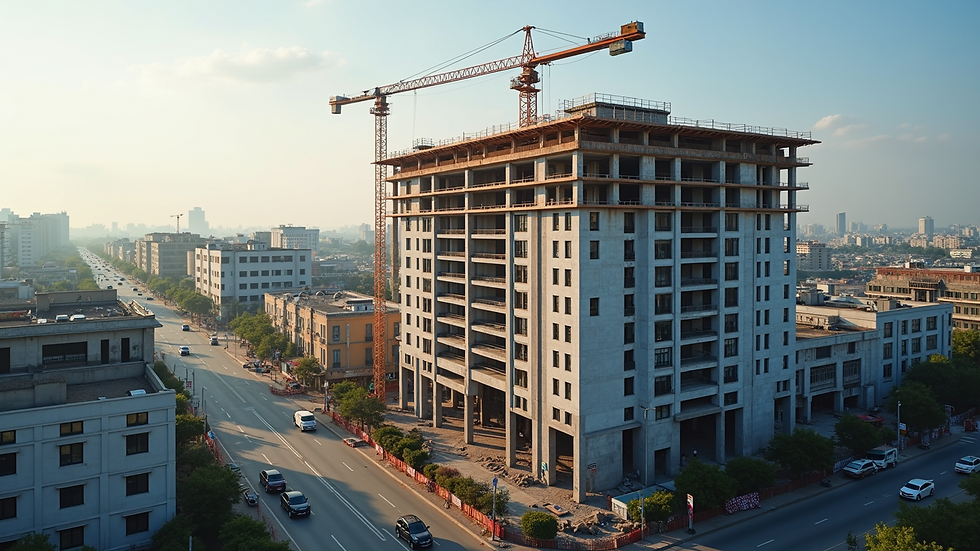
One notable trend this year has been the surge in hotel construction across Thailand, particularly in Bangkok and nine other key provinces. This expansion accounts for approximately 75% of the new rooms entering the market. Despite softened arrivals, the investment landscape remains dynamic, and hotels are being built with future demand in mind.
Adjacent to the Eastern Economic Corridor (EEC), regions like Samut Prakan are emerging as key logistical hubs that present unique opportunities for hospitality investors. The demand for hotels catering to airport and industrial guest mixes highlights the convergence of logistics and hospitality. Meanwhile, Chiang Mai and Krabi continue to grow as lifestyle destinations, where boutique and wellness offerings can thrive.
Aligning with Market Realities
Successful operators in this evolving environment will need to align their micro-market strategies with present-day market realities. In Phuket and Pattaya, capturing resilience from countries such as India and Russia presents a promising avenue for growth. Implementing curated experiences and attractions that cater to these markets can further enhance destination appeal.
In Bangkok, the focus should be on leveraging the MICE segment and mixed-use synergies around new towers and transit nodes. By doing so, hotels can enhance demand during the weekdays, counteracting the seasonal and cyclical nature of tourist arrivals.
Why Experience is Key
One crucial takeaway for hotel operators is that success in Thailand’s hospitality landscape will depend on more than just cutting rates. Effective merchandising, a commitment to Environmental, Social, and Governance (ESG) credibility, as well as thoughtful experience design must take precedence. The visitor experience must be rich and engaging; this is paramount in shaping guest loyalty and enhancing RevPAR.
The Road Ahead: An Actionable Strategy
As we look towards the future, potential investors and developers should build a comprehensive three-node hospitality thesis focused on the following segments:
Phuket: Concentrate on maintaining resort ADR defense and expanding wellness offerings.
Bangkok: Focus on MICE-driven opportunities, enhancing connectivity with transit hubs and mixed-use developments.
EEC Corridor: Invest in projects that capitalize on airport-related and logistics demand.
By painstakingly stress-testing each of these nodes with projected source market mixes and expected flight schedules for 2026, stakeholders can make informed decisions that bolster their positions within Thailand's competitive hospitality environment.

Emerging Opportunities Beyond Bangkok
While Bangkok and Phuket are front and center in the hospitality discussion, secondary provinces in Thailand are beckoning with their own unique opportunities. Cities like Chiang Mai, with its laid-back luxury retreats, and Krabi, known for its picturesque beaches, are emerging as prime locations for boutique and wellness-focused developments.
These markets may offer less saturation and a more targeted clientele, allowing operators to capitalize on the increasing demand for specialized experiences in travel. As travelers shift towards more immersive and meaningful stays, these secondary destinations present a unique value proposition that savvy investors should not overlook.
Looking Forward
As we approach the second half of 2025, the landscape of Thailand's hospitality industry remains dynamic, with distinct resilience from Phuket and sharper positioning needed from Bangkok. In a world increasingly focused on experiences and sustainability, the most successful operators will be those who adapt to evolving trends, leveraging unique market demands while ensuring exceptional client experiences.
Ultimately, the key to thriving in this shifting landscape will be an unwavering commitment to innovation, guest experience, and a discerning approach to market dynamics—a formula that will yield lasting success and profitability in the Thai hospitality industry.
By observing these developments and aligning strategies accordingly, industry stakeholders will have the opportunity to stand at the forefront of Thailand's hospitality renaissance, filled with promise and potential for all involved.
With careful planning, strategic alignment, and an eye on emerging trends, the future of Thailand's hospitality industry appears bright. Whether you are an investor, developer, or hotel operator, the time to engage is now.



Comments