


Renovate to Win: ESG Retrofits, Wellness MEP, and Payback Math for Thai Hotels
As the hotel industry in Thailand braces for a new era, the importance of renovation-led differentiation is becoming increasingly clear. With Average Daily Rate (ADR) growth expected to plateau in the coming years, leveraging ESG (Environmental, Social, Governance) retrofits becomes crucial for Thai hotels. By focusing on energy efficiency, water conservation, indoor air quality (IAQ), and wellness-oriented amenities, hotels can elevate their RevPAR (Revenue Per Available Room) and reduce operational expenditures (opex). This blog post will explore how sustainable renovations aligned with certification frameworks like TREES, LEED, and WELL can impact both guest experience and financial performance.
The Urgency for Renovations in Thai Hotels
Industry analysts predict that 2025 will mark a pivotal shift for many Thai hotels, moving towards renovation-led value creation. With ADR growth stalling, it has become evident that sharper segmentation and asset enhancements are vital. ESG retrofits that not only cut operational costs but also enhance the guest experience by offering sustainable practices are at the forefront of this transformation.

The push for high-performance HVAC systems, smart ventilation and filtration systems, upgraded hot-water systems, low-solar heat gain coefficient (low-SHGC) glazing, and efficient lighting controls are critical. These upgrades, when accompanied by wellness features, can significantly improve guest satisfaction and encourage repeat visits, thereby leading to enhanced revenue.
The Role of Certification Frameworks
To justify the capital expenditure associated with these renovations, certification frameworks such as TREES (Thai Green Building Institute) and LEED (Leadership in Energy and Environmental Design) can be instrumental. TREES offers tailored pathways for enhancing tropical performance across energy, water, indoor environmental quality (IEQ), and material selection.
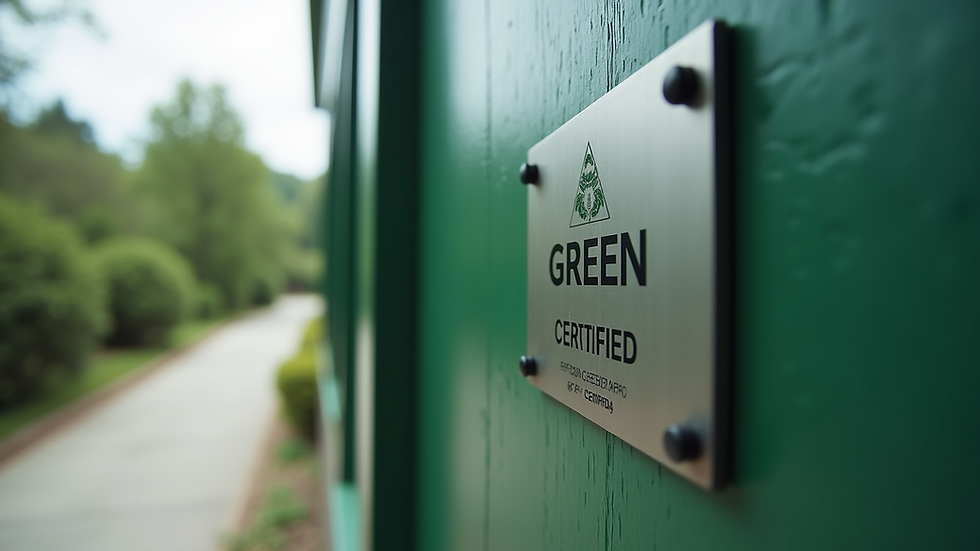
For hotels aiming to attract international travelers and corporate clients, achieving LEED certification serves as a strong indication of environmental commitment. The WELL Building Standard, which emphasizes air and water quality, lighting, thermal comfort, and acoustics, can lead to an uplift in guest satisfaction and offers the potential for premium pricing when effectively communicated in branding and marketing.
Navigating Regulatory Changes
As renovation plans take shape, attention to compliance with the new Building Control Act modifications set to take effect in 2025 is essential. These updates stress the importance of height and setback conformity and Environmental Impact Assessment (EIA) obligations for larger projects, especially those in sensitive areas.
Engaging in a pre-submission compliance check can mitigate risks associated with zoning, fire safety, water discharge, and noise. This proactive approach allows hotel operators to strategically align renovation phases with peak seasons to prevent any interruption in revenue and ensure smooth operational continuity.
Understanding Payback Math in Renovations
When evaluating capex investments for ESG retrofits, it helps to frame the potential paybacks accurately. Energy efficiency upgrades related to HVAC, hot water, and lighting often deliver paybacks within a range of 3-6 years. Likewise, improvements in water conservation and indoor air quality yield returns primarily through enhanced guest satisfaction scores, higher ADR, and reduced maintenance costs.
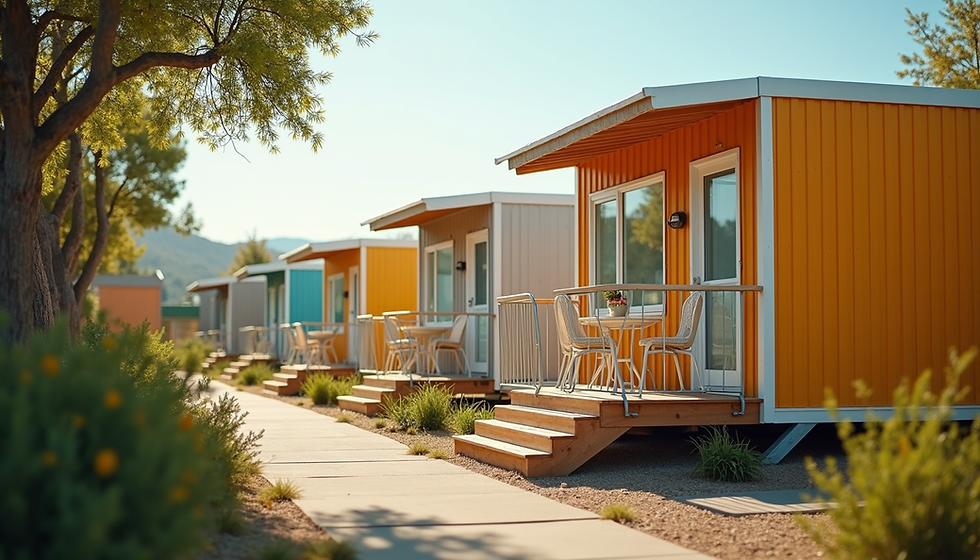
Operators should consider modeling RevPAR uplift based on segment-specific packages—such as wellness, family accommodations, or long-stay offerings—crafted from the renovation narrative. This strategy not only adjusts the hotel’s value proposition but also enriches the guest experience, creating a compelling case for ESG-focused investments.

What to Watch This Week
As hotels prepare for the renovation wave, keeping an eye on current energy cost trends compared to project bids is vital. Prioritizing HVAC and hot-water measures can yield the quickest return on investment. Furthermore, corporate clients are increasingly focused on ESG disclosures and wellness amenities in their Request for Proposals (RFPs).
Understanding these trends ensures that hotels can adapt and implement strategies that appeal to this evolving market, driving both occupancy and revenue.
Next Steps for Hotel Operators
Now is the prime time for action. Hotel operators should consider commissioning a TREES-EB feasibility study and a WELL gap assessment for their flagship properties. This proactive approach provides a clearer picture of potential upgrades while creating an engaging, guest-facing story about ESG commitments.
The narrative can be developed across various platforms, including the hotel’s website and Online Travel Agency (OTA) content, highlighting specific amenities and measurable outcomes that address guest needs. Through this commitment to sustainability and wellness, hotels can differentiate themselves in a competitive landscape.
In closing, the roadmap for Thai hotels aiming to thrive amid changing market conditions is clearer than ever. By embracing the principles of ESG retrofits, aligning with certification frameworks, navigating regulatory changes, understanding payback math, and delivering compelling value propositions to guests, hotels can position themselves not only for survival but for sustainable growth in the years to come.


This is an exceptionally timely and well-structured article that perfectly captures the pivotal shift facing the Thai hotel industry.
Linking ESG and wellness upgrades to clear ROI math—with that 3-6 year payback for mechanical systems—is essential to transform sustainability from an "ethical" cost into a smart strategic investment. The specific mention of local frameworks like TREES, alongside LEED and WELL, makes this guide immediately applicable for operators in the Thai market.
One aspect I find particularly sharp is the connection between technical upgrades (e.g., low-SHGC glazing, IAQ) and the creation of segmented guest experience packages (wellness, long-stay). That is precisely where the investment becomes a lever for ADR and loyalty, moving beyond mere operational savings.
A question to explore further:…