


Why Tenants Move: ESG, Wellness, and Green-Certified Space as Strategic Assets
The dynamics of choosing office space have evolved dramatically in recent years. The decision-making process for tenants is no longer solely centered around rental costs; it has expanded to include Environmental, Social, and Governance (ESG) factors, wellness considerations, and the advantages of green-certified spaces. As occupancy trends shift, understanding these drivers can provide valuable insights for landlords and developers looking to attract and retain tenants.
The Flight to Quality: Tenant Priorities Shift
A large number of businesses are prioritizing employee experience and sustainability in their office leasing decisions. According to Knight Frank’s Q3-2025 commentary, there has been a significant increase in green-certified office space, rising to approximately 2.35 million square meters. This growth is largely attributed to developments like Central Park Offices, which have attracted tenants seeking premium quality despite a backdrop of economic uncertainty. Surprisingly, these premium assets are witnessing net absorption even as other older properties struggle to retain tenants.
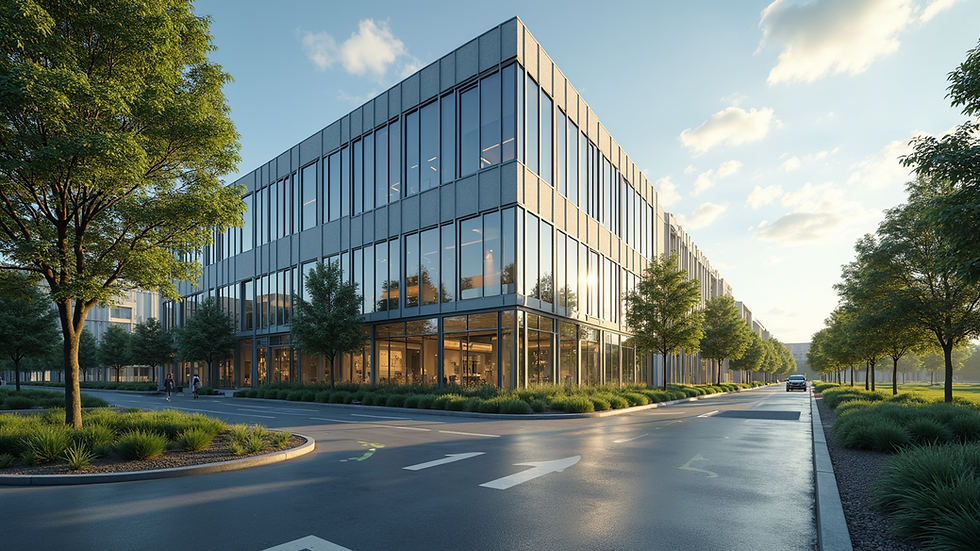
Understanding Tenant Needs: ESG and Employee Wellness
Tenant preferences are increasingly leaning towards workspaces that support corporate ESG targets and enhance employee wellness. JLL’s Q3-2025 Bangkok update highlights that recent completions, such as Central Park Offices and One Bangkok, have secured around 14,000 square meters of new prime leases in central business areas (CBA). This spike represents a net absorption of 49,000 square meters, even as older prime buildings face challenges, despite offering concessions.
Corporate tenants are now looking for work environments that not only provide a place to work but also improve overall well-being through thoughtful design. High-performance HVAC systems, indoor air quality (IAQ) monitoring, and abundant access to natural daylight are just a few features that contribute to a healthier workplace atmosphere. These considerations highlight the crucial need for landlords to adapt to the changing landscape of tenant demands.

Fit-Out Implications: Strategic Adaptations Required
With the shift toward hybrid work models, there are several fit-out implications that landlords and developers should consider to attract quality tenants. To effectively meet the changing needs of employees, adaptive strategies may include:
Right-Sizing Space for Hybrid Work: Flexible layouts that accommodate both collaborative zones and focused work areas can help organizations tailor their office environments.
Investing in Zonal HVAC Systems: Ensuring that HVAC systems can efficiently manage varying demands in different zones within the office is vital for maintaining comfort and energy efficiency.
Utilizing Sensor-Based Lighting: Smart lighting systems can adjust automatically based on occupancy and daylight levels, promoting sustainability and reducing operating costs.
Aligning Materials with TREES/LEED: Selecting building materials that meet TREES (Thailand’s Rating System for Sustainable Buildings) and LEED (Leadership in Energy and Environmental Design) standards can significantly improve the environmental performance of new builds or renovations.

Corporate RFPs and the Importance of ESG Credentials
As the demand for ESG credentials and wellness metrics escalates, corporate requests for proposals (RFPs) have started to reflect these priorities. Landlords are now expected to provide high-quality data on their buildings' performance related to energy use, environmental impact, and tenant wellness. Tracking the quality of landlord disclosures is crucial for tenants as they evaluate potential office spaces.
Furthermore, older prime buildings are increasingly undergoing repositioning efforts to compete with the supply of new, greener developments. This may include retrofitting packages that aim to modernize amenities and facilities, although success varies widely among different properties.
Actionable Steps for Landlords and Developers
To stay competitive in today’s market, landlords and developers should focus on several actionable steps:
Commission a Fit-Out Feasibility Study: Align the study with LEED, TREES, and WELL credits to identify opportunities for enhancement that can benefit both tenants and the environment.
Develop a Board Presentation: Create a presentation that clearly outlines the potential productivity and retention gains associated with new fit-out strategies, emphasizing the importance of effective rent parity for prospective tenants.
Evaluate and Upgrade Existing Properties: Consider implementing ESG measures and wellness features in existing buildings to attract tenants who prioritize these attributes.
Continuously Monitor Market Trends: Staying informed about tenant preferences and emerging trends in office design can help property owners make more strategic decisions about their assets.
In conclusion, the modern workplace is not just a physical space but a strategic asset that reflects a company’s commitment to sustainability and employee well-being. By understanding the reasons why tenants move and adapting accordingly, landlords and developers can position themselves for success in an ever-evolving real estate landscape.


Comments