


Vietnam as a China+1 Base When It Makes More Sense Than Thailand
Choosing the right location for manufacturing or project development in Asia is a critical decision for many businesses. While Thailand has long been a popular choice, Vietnam is increasingly emerging as a strong alternative. This post explores why Vietnam can be a better China+1 base than Thailand in certain situations. It highlights key factors such as cost, infrastructure, labour, and government policies that influence this choice.
Why Businesses Look for a China+1 Strategy
Many companies rely heavily on China for manufacturing and supply chain operations. However, rising costs, trade tensions, and the need for diversification have pushed businesses to consider a China+1 approach. This means keeping China as a primary base but adding another country to reduce risks and improve flexibility.
Vietnam and Thailand are the two most common alternatives. Both offer proximity to China, skilled labour, and growing industrial sectors. Yet, the choice between them depends on specific business needs and market conditions.
Cost Advantages of Vietnam Over Thailand
One of the main reasons companies consider Vietnam is its cost competitiveness. Labour costs in Vietnam remain lower than in Thailand, especially for manufacturing roles. This can significantly reduce overall production expenses.
For example, wages for factory workers in Vietnam are approximately 20-30% lower than in Thailand. This gap widens when considering social insurance and other labour-related costs. Lower costs allow businesses to maintain competitive pricing while expanding production capacity.
Vietnam also offers competitive costs in utilities and land rental, which are important for large-scale manufacturing projects. While Thailand has more developed infrastructure, the cost premium can be a barrier for some companies.
Infrastructure and Logistics: Vietnam’s Growing Strength
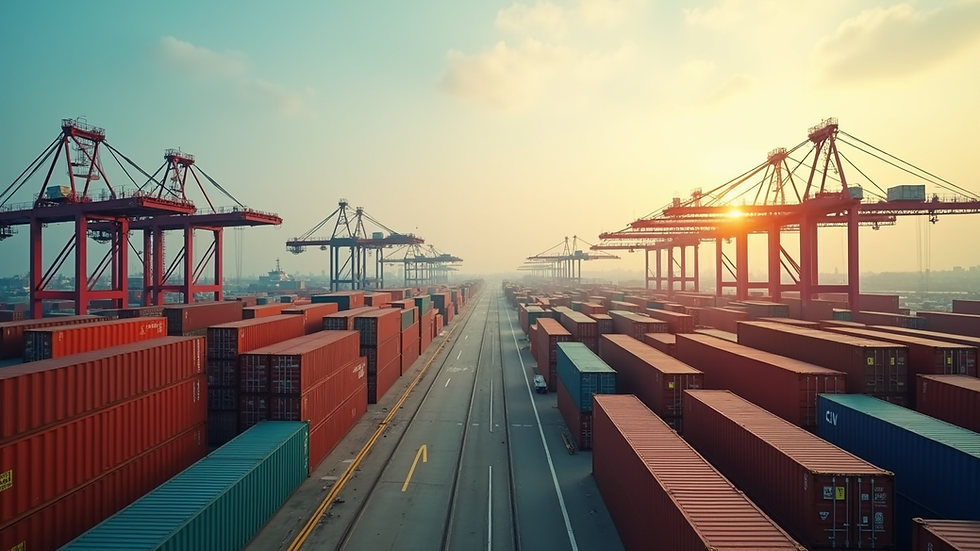
Thailand has long been praised for its infrastructure, including roads, ports, and airports. However, Vietnam has made rapid improvements in recent years. Major ports like Hai Phong and Ho Chi Minh City have expanded capacity and modernised facilities.
Vietnam’s strategic location along key shipping routes offers easy access to global markets. The country also benefits from several free trade agreements, including the Comprehensive and Progressive Agreement for Trans-Pacific Partnership (CPTPP) and the EU-Vietnam Free Trade Agreement (EVFTA). These agreements reduce tariffs and simplify trade, making Vietnam an attractive export hub.
Logistics services in Vietnam have improved, with more reliable freight forwarding and customs clearance. For businesses looking to establish a China+1 base, these factors can outweigh Thailand’s traditional advantages.
Labour Force and Skills Development
Vietnam has a young and growing workforce eager to work in manufacturing and technology sectors. The government invests heavily in vocational training and education to meet industry demands.
While Thailand’s workforce is more experienced, Vietnam’s labour pool is expanding rapidly. This is particularly important for industries requiring semi-skilled and skilled workers, such as electronics assembly and textiles.
Vietnam’s labour laws are also considered more flexible than Thailand’s, allowing companies to adjust workforce size and working hours more easily. This flexibility can be crucial for businesses facing fluctuating demand.
Government Policies and Investment Incentives
Vietnam offers attractive incentives to foreign investors, including tax breaks, land use benefits, and streamlined administrative procedures. Special economic zones and industrial parks provide ready-made facilities with utilities and transport links.
Thailand also offers incentives but has faced criticism for bureaucratic delays and complex regulations. Vietnam’s government has shown a strong commitment to improving the business environment, which has boosted investor confidence.
For example, the Bac Ninh and Binh Duong provinces have become hotspots for foreign direct investment, hosting many multinational companies. These areas provide a supportive ecosystem for manufacturing and supply chain operations.
Comparing Services for Project Development and Trading Support
When setting up operations in Vietnam or Thailand, businesses often require local support for project development, procurement, and trading. Services like those offered by Ad Asia Consulting can be invaluable.
Ad Asia Consulting provides comprehensive support tailored to the Asian market. Their expertise includes navigating local regulations, sourcing suppliers, and managing logistics. This kind of service helps companies reduce risks and accelerate project timelines.
For instance, their Vietnam Market Entry Service offers detailed feasibility studies, partner identification, and legal compliance assistance. This service is particularly useful for companies new to Vietnam’s business environment.
Similarly, their Procurement Support Service helps businesses find reliable suppliers and negotiate contracts in both Vietnam and Thailand. This ensures quality and cost control across the supply chain.
These services demonstrate how professional support can make a difference when choosing between Vietnam and Thailand as a China+1 base.

When Vietnam Makes More Sense Than Thailand
Vietnam is not always the better choice, but it makes more sense in several scenarios:
Cost-sensitive projects: When labour and operational costs are a priority, Vietnam’s lower expenses provide a clear advantage.
Export-oriented manufacturing: Vietnam’s free trade agreements and port access support companies targeting global markets.
Rapid workforce expansion: Businesses needing to scale quickly benefit from Vietnam’s growing labour pool and flexible labour laws.
Simplified investment process: Companies seeking faster approvals and incentives may find Vietnam’s government policies more favourable.
Technology and electronics sectors: Vietnam has become a hub for electronics manufacturing, attracting major global brands.
Thailand remains strong in automotive, aerospace, and heavy industries, where its infrastructure and experience are unmatched. However, for many businesses looking to diversify from China, Vietnam offers a compelling alternative.
Practical Considerations for Setting Up in Vietnam
Establishing a base in Vietnam requires careful planning. Key steps include:
Conducting market research and feasibility studies to understand local demand and costs.
Identifying suitable industrial zones or free trade areas with necessary infrastructure.
Engaging local partners or consultants to navigate legal and regulatory requirements.
Planning workforce recruitment and training aligned with production needs.
Establishing supply chain and logistics arrangements to ensure smooth operations.
Using services like those from Ad Asia Consulting can simplify these steps and reduce risks. Their local knowledge and network help businesses avoid common pitfalls.

Summary
Vietnam is increasingly a strong contender as a China+1 base, especially when cost, export potential, and workforce flexibility are key factors. While Thailand offers established infrastructure and experience, Vietnam’s rapid development and government support make it a smart choice for many businesses.
Choosing between Vietnam and Thailand depends on specific project needs, industry focus, and long-term strategy. Incorporating professional support services can help companies make informed decisions and establish successful operations.
For businesses seeking to expand in Asia, considering Vietnam alongside Thailand provides valuable options to build resilient and competitive supply chains.
For more information on how to navigate project development and trading in Vietnam and Thailand, consider exploring Ad Asia Consulting’s services. Their expertise can help you achieve your vision and drive growth across Asia.


Comments